
News
– This European initiative will develop, optimise and demonstrate advanced technologies to limit the entry of microplastics into the marine environment
– The project will promote a transnational strategy between Galicia and Northern Portugal aimed at protecting coastal ecosystems, with the participation of leading organisations in research, water management and environmental conservation
The European CAPTURE project, funded by the Interreg POCTEP programme, has been launched to develop, optimise and demonstrate innovative technologies for the retention of microplastics in the cross-border area of Galicia and Northern Portugal. Coordinated by Cetaqua – Water Technology Centre, the project aims to advance the implementation of a joint strategy to reduce microplastic pollution in the ocean, one of the emerging challenges in environmental protection and sustainable water resource management.
Coastal areas in Galicia and Northern Portugal show a significant presence of microplastics that reach the marine environment through sources such as wastewater and runoff. In this context, CAPTURE will research, develop and implement innovative solutions capable of intercepting these pollutants before they reach the ocean, helping to minimise their impact on high-value ecosystems, including areas within the Natura 2000 network, as well as natural areas that provide key services for local communities, such as fisheries and recreational activities.
Miguel Martínez, project coordinator and researcher at Cetaqua, highlights the importance of this initiative: “The presence of microplastics in wastewater represents a major environmental challenge. With CAPTURE, we aim to demonstrate that it is possible to intercept these pollutants using Nature-based Solutions and quaternary treatments before they reach the ocean, in order to protect biodiversity and the services on which our coastal communities depend.“
The project includes the design and validation of two differentiated technological solutions: one focused on centralised wastewater treatment systems in urban environments, and another aimed at decentralised systems in rural areas with lower population density, through Nature-based Solutions (NbS). In parallel, work will be carried out on modelling the transboundary transport of microplastics, as well as studies to assess their presence in the marine environment, their environmental impact on species and ecosystems, and the effect of the proposed technologies in reducing these pollutants.
Among the main expected outcomes, the project will enhance knowledge on the presence, accumulation in marine species and transfer of microplastics in the cross-border area of Galicia and Northern Portugal, demonstrate the effectiveness of innovative technological solutions for their capture in sanitation systems, and contribute to the protection of natural areas and ecosystem services through the reduction of marine pollution. In addition, CAPTURE will include communication, training and knowledge transfer actions aimed at public authorities, water management entities and other key stakeholders, with the goal of facilitating the replication of the developed solutions in other territories.
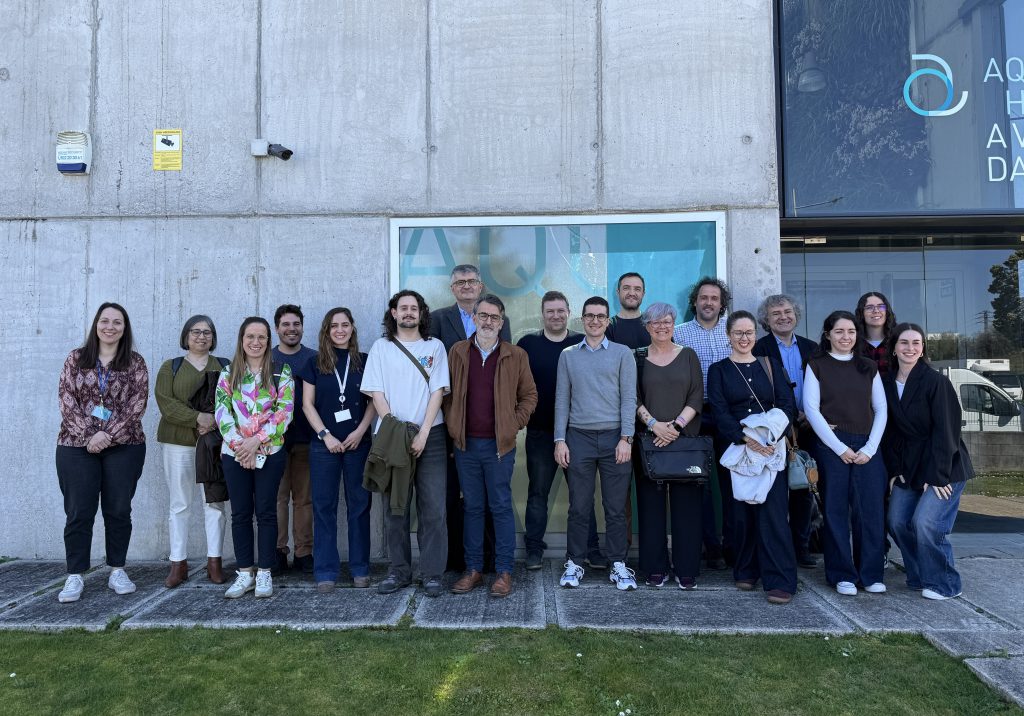
The CAPTURE consortium is composed of seven leading organisations from Spain and Portugal: Cetaqua – Water Technology Centre (coordinator), Faculty of Engineering of the University of Porto (FEUP), Veolia, the Interdisciplinary Research Centre in Environmental Technologies (CRETUS; University of Santiago de Compostela), CMPEAE – Porto Municipal Water and Energy Company, the Vigo Oceanographic Centre (Spanish Institute of Oceanography IEO, CSIC), and Viratec.
The project is co-funded by the European Union through the Interreg VI-A Spain–Portugal (POCTEP) 2021–2027 programme.
The views and documentation provided in this publication are the sole responsibility of the author(s) and do not necessarily reflect the views of the entities that financially support the project.