
News
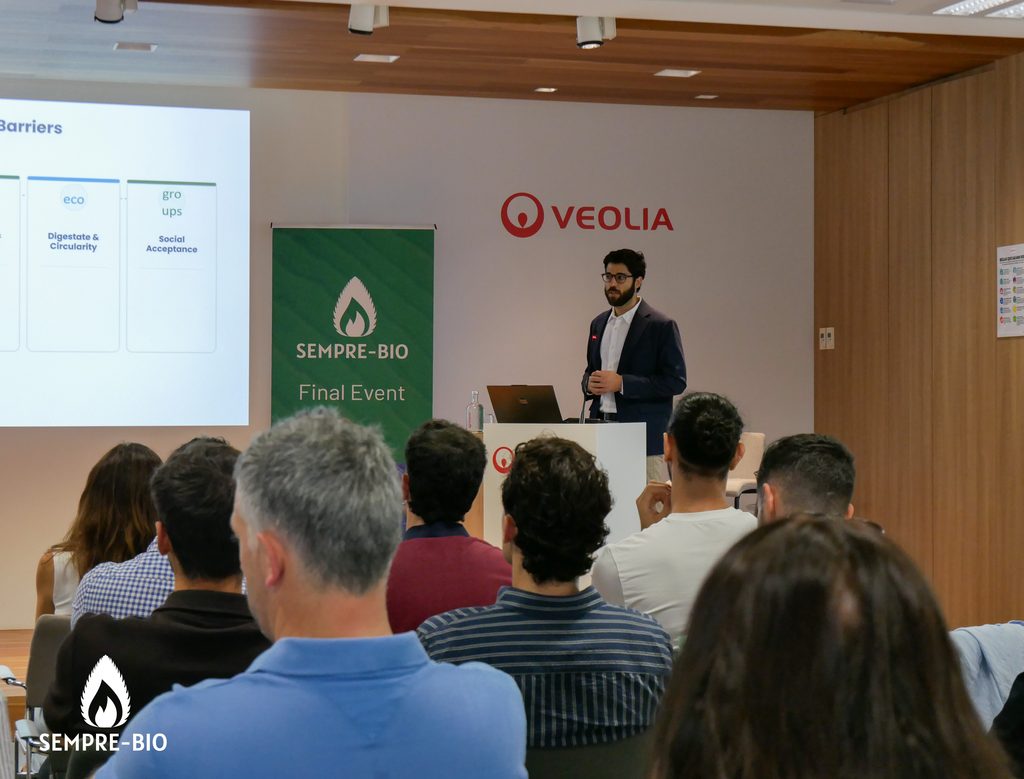
After four years of work on biomethane production in Spain, France and Belgium, the SEMPRE-BIO project, co-funded by the European Commission’s Horizon Europe programme, held its final consortium meeting and Final Event in Barcelona, bringing together project partners and stakeholders to present the main results achieved and share the opportunities, challenges and limitations identified throughout these years of research and demonstration activities.
The two-day programme combined the presentation of results achieved by the consortium with a series of roundtable discussions and dialogue sessions open to industry stakeholders. These provided opportunities to exchange experiences with other European projects and address both the technical challenges encountered during the demonstration phase and the barriers that continue to hinder wider biomethane deployment across Europe.
SEMPRE-BIO explores different pathways for producing biomethane from locally available resources. During the final consortium meeting, partners shared the progress made and results achieved across the project’s three case studies:
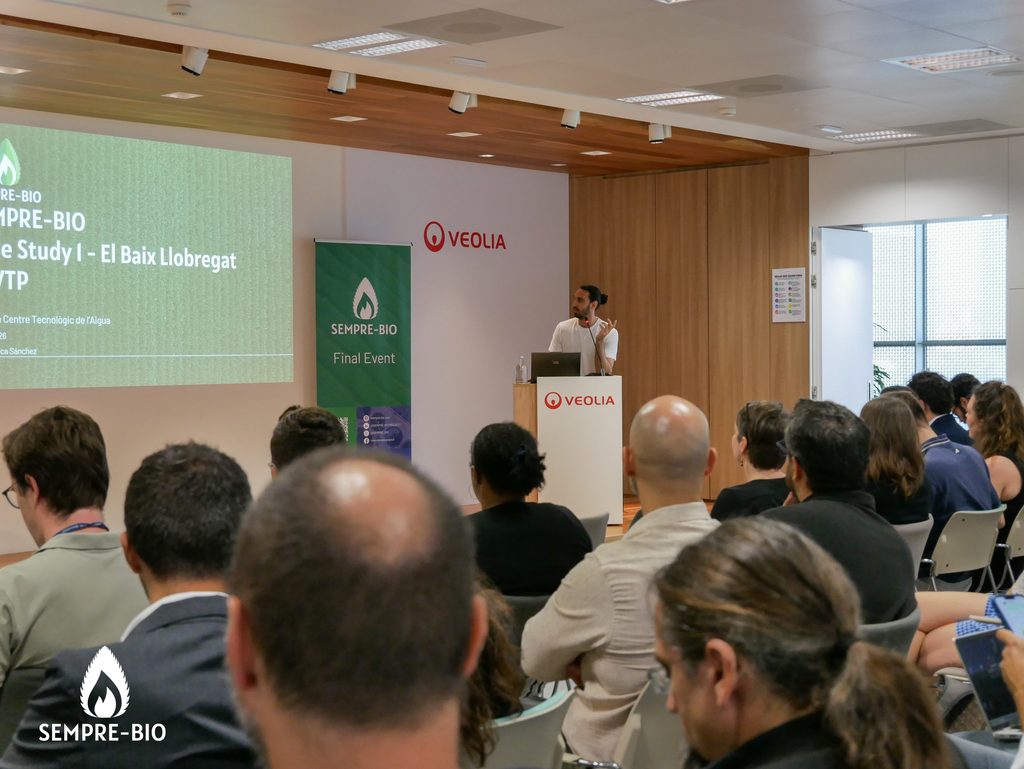
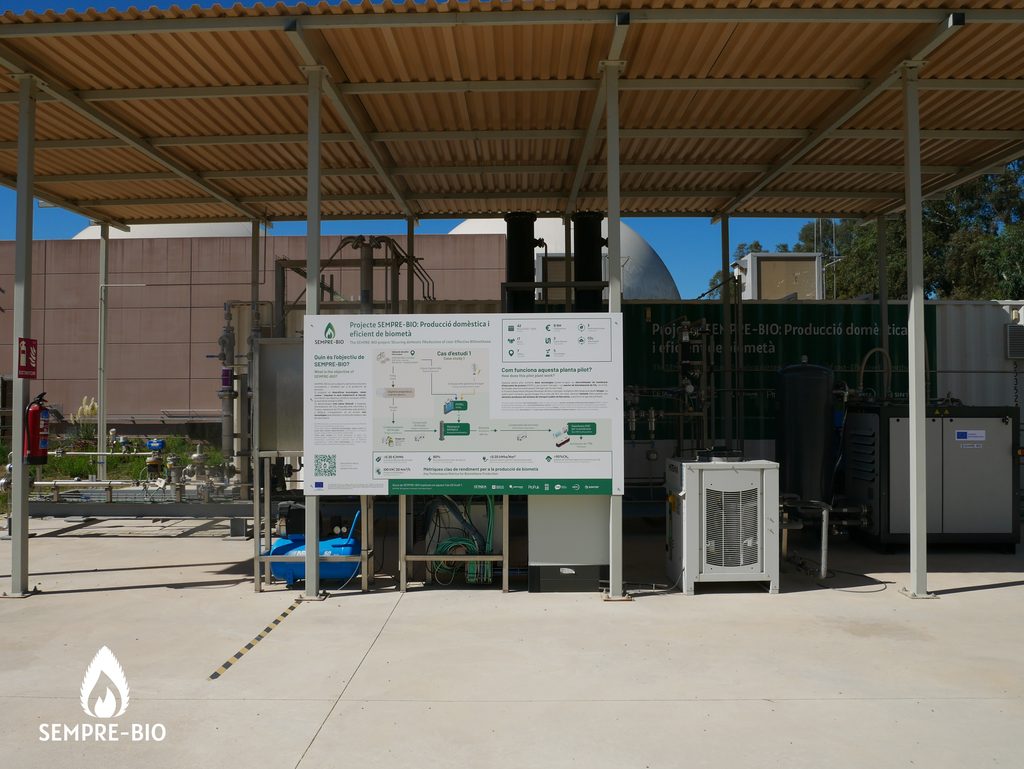
Case Study 1, carried out at the Baix Llobregat Wastewater Treatment Plant in Spain, focused on the development and validation of the proposed solution. The team verified different stages of biogas treatment and gained key insights into the design and integration of the complete system. This work helped identify relevant technical and operational requirements for future applications involving the conversion of biogas into biomethane.
Case Study 2, located in France, integrated pyrolysis, syngas cleaning and biological methanation processes, which were tested using real syngas. The resulting biogas still requires an upgrading process before it can be injected into the gas grid.
Case Study 3, located at a dairy farm in Belgium, used a cryogenic pilot system to separate methane-rich gas and a high-purity CO₂ stream from the farm’s biogas. The tests identified areas requiring further development to reduce energy consumption and improve equipment design.
The project has also investigated potential applications for CO₂ and digestate, the nutrient-rich material remaining after anaerobic digestion. Experiments included the production of succinic acid, PHA biopolymers and protein-rich biomass. Across the different case studies, the project also used modelling to assess the costs, greenhouse gas emission impacts and broader societal impacts associated with larger-scale facilities.
The second day was dedicated to the SEMPRE-BIO Final Event, which was open to stakeholders and other industry representatives. Through a series of roundtable discussions, participants had the opportunity to exchange experiences and explore both the lessons learned during the demonstration phase and the conditions needed to support wider biomethane deployment.
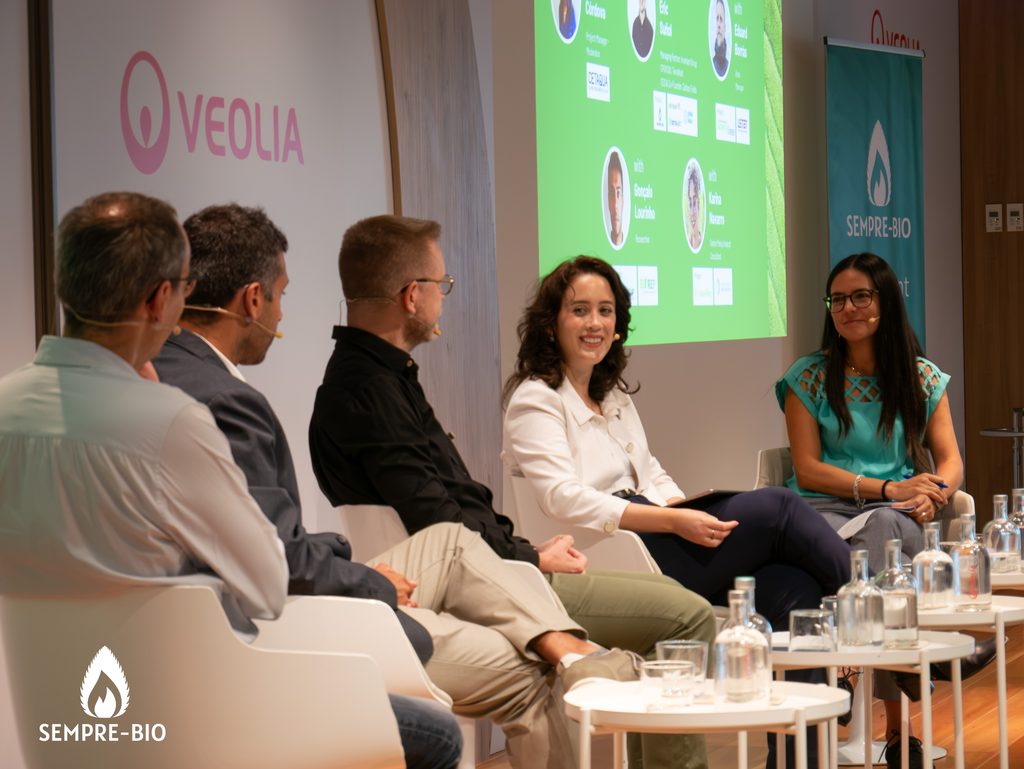
During the first roundtable, moderated by Alejandra Córdova, SEMPRE-BIO Project Manager, representatives from Biomethaverse, HyFuelUp and Value4Farm shared experiences and lessons learned from the demonstration phases of their respective projects. The discussion highlighted the importance of flexibility and adaptability in addressing challenges that may arise during the development and validation of new technologies, as well as the need to anticipate alternative approaches to ensure project continuity and maximise the results achieved.
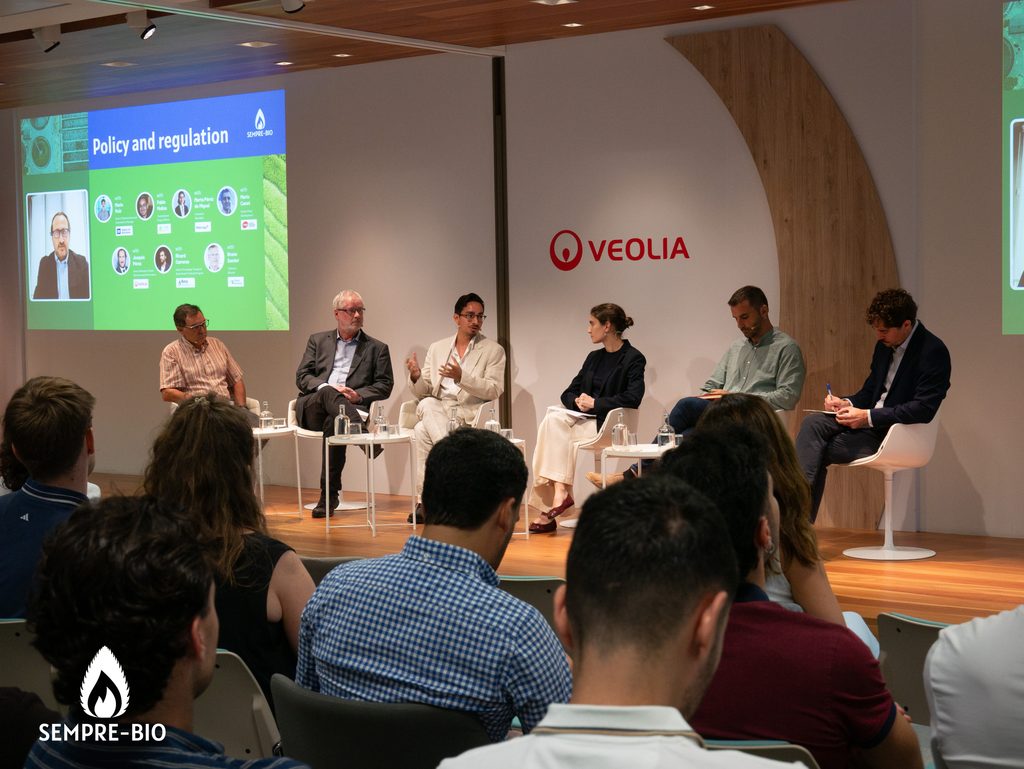
The second roundtable, with Mario Ruiz, Head of Climate and Environmental Action at Aigües de Barcelona, as moderator, focused on the barriers that remain even when a process is technically operational. Representatives from the European Biogas Association, Biogas Danmark, Naturgy, Veolia, TMB, Aigües de Barcelona and BETA Technological Centre discussed permitting procedures, access to gas networks, certification, markets for gas and co-products, and local acceptance.
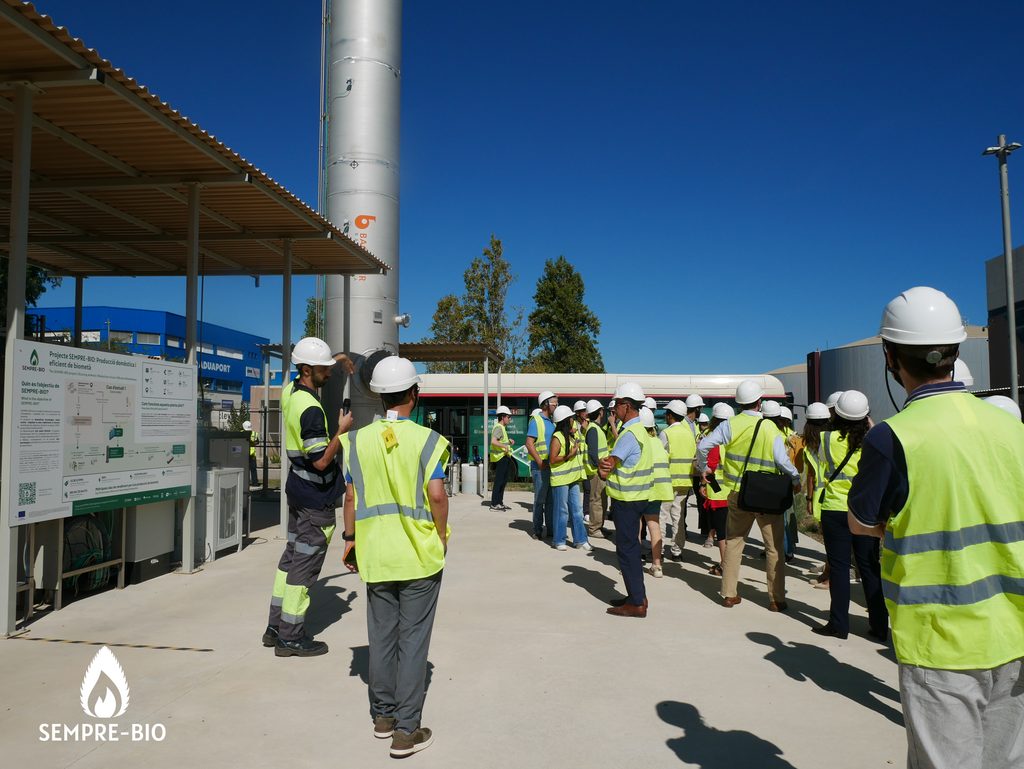
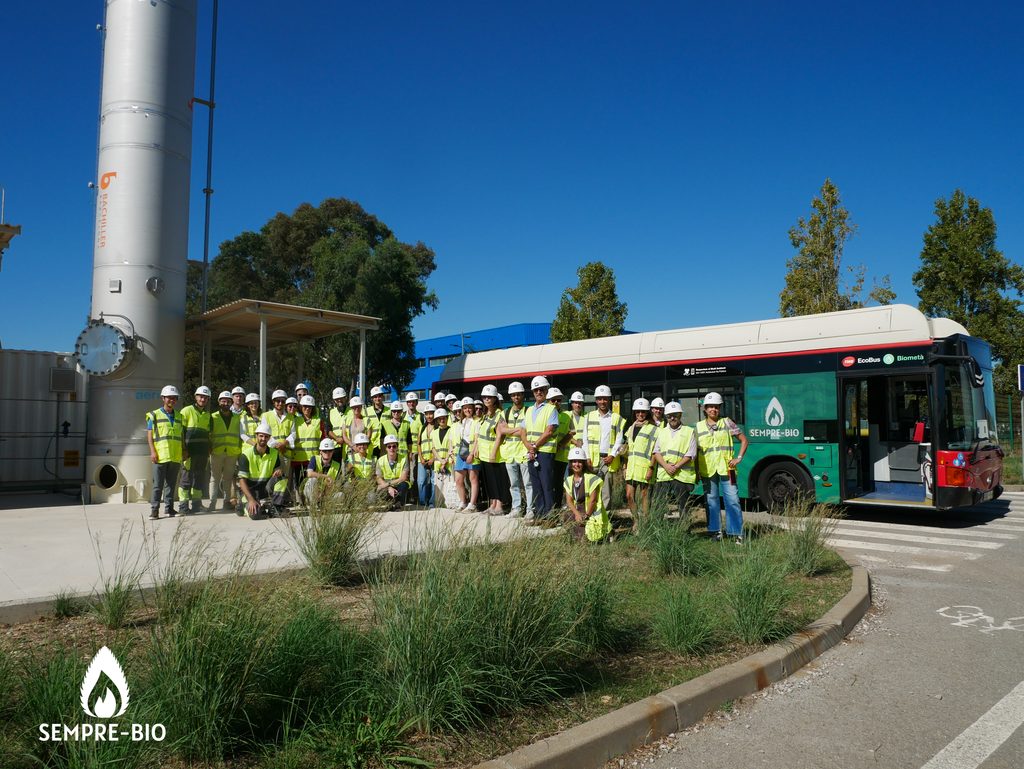
The event concluded with a visit to the SEMPRE-BIO demonstration site at the Baix Llobregat Wastewater Treatment Plant in El Prat de Llobregat (Barcelona), operated by Aigües de Barcelona. Participants had the opportunity to see first-hand the biomethane upgrading and compression facilities tested during the project, as well as to exchange views directly with the partners responsible for the pilot on operational experiences, technical challenges and lessons learned.
The visit provided valuable insights into the practical realities of deploying innovative biomethane technologies at an operational wastewater treatment facility.
SEMPRE-BIO has generated valuable knowledge on the opportunities, technical challenges and conditions needed to advance the development of innovative biomethane production pathways. The challenges encountered during the demonstration activities have helped identify critical aspects related to the operation, integration and scale-up of these solutions, as well as areas requiring further development and optimisation.
After four years of work, the project’s results and lessons learned provide a valuable knowledge base to support further progress in the deployment of renewable gas solutions and contribute to Europe’s transition towards a more sustainable energy system.
Co-funded by the European Union. Views and opinions expressed are, however, those of the author(s) only and do not necessarily reflect those of the European Union or CINEA. Neither the European Union nor the granting authority can be held responsible for them.