
News
– The project, funded by Horizon Europe, will develop four technological processes to recover lithium, cobalt, nickel, manganese and graphite and will develop pilot plants in Spain, Poland and the United Kingdom
– These raw materials will be obtained from various industrial and mining sources across Europe
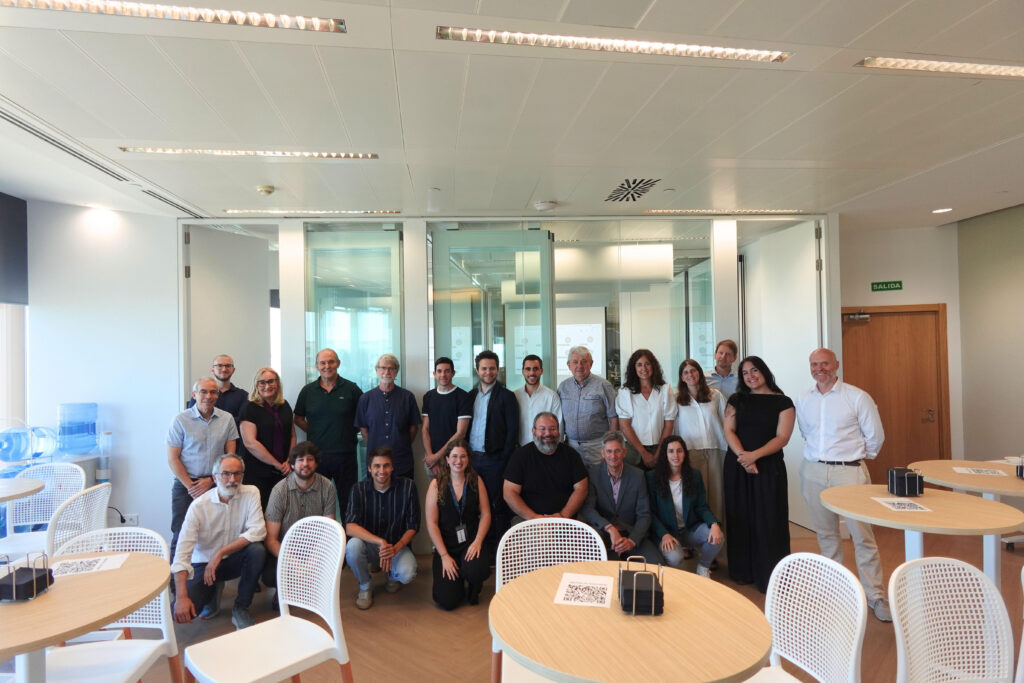
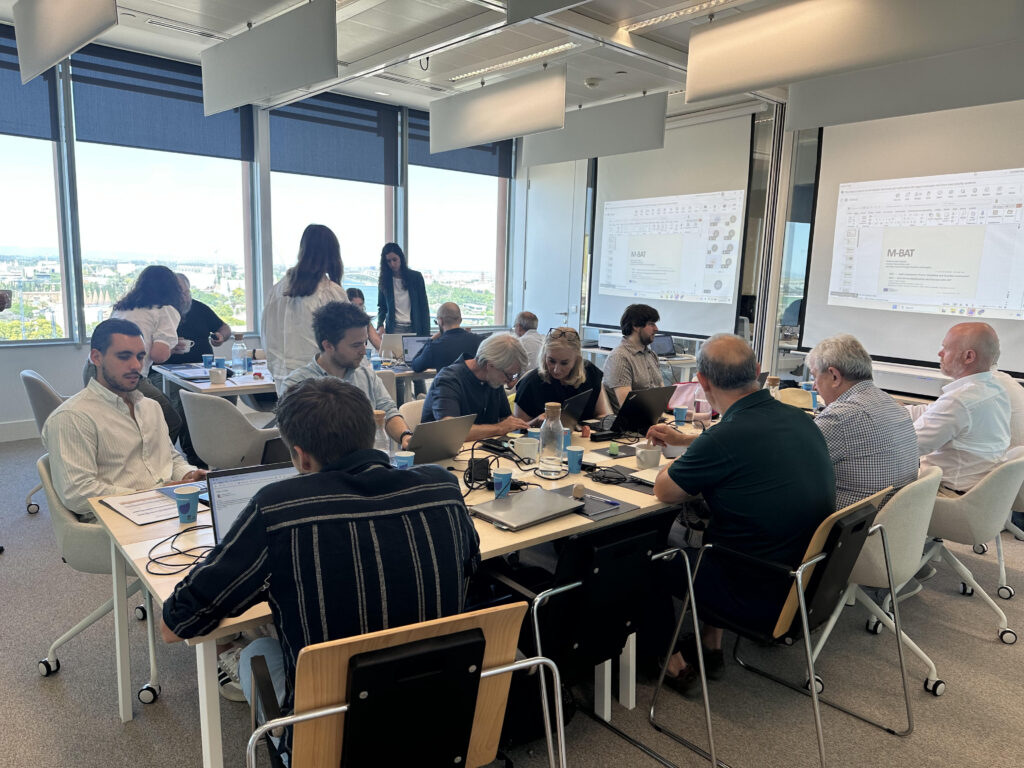
Europe wants to reduce its dependence on imported critical raw materials and ensure the supply of these materials that make the energy transition possible. With this objective, the European M-BAT project recently started in Seville, which aims to strengthen the European Union’s strategic autonomy in the battery value chain, reducing dependence on imports of critical raw materials such as lithium, cobalt, nickel, manganese and graphite.
The project, led by IDENER.AI and formed by a consortium of 18 partners from seven countries, including Spain, will develop and demonstrate four technological processes for recovering these essential materials for the manufacture of batteries used in electric vehicles, electronic devices and energy storage systems. All the solutions are committed to the circular economy and to reducing the environmental and social impacts associated with the extraction and transport of metals.
The technologies developed will process different European sources, including mining wash streams, industrial sludge, the so-called ‘black mass’ from end-of-life lithium-ion batteries, and mineral-rich geothermal waters. The recovered materials will be validated with industry users to guarantee their industrial suitability, as well as with specialised centres in the battery sector to ensure they meet the quality standards required by the industry.
These technological processes, designed to be sustainable and cost-efficient, will be tested in four pilot plants located in Spain, Poland and the United Kingdom, bringing research closer to real operating conditions and accelerating their future industrial implementation.
Cetaqua-Water Technology Centre will work on optimising the processes before and during the operation of the Spanish pilot plant, which will treat streams from the mining industry. Isabel Serrano, Project Manager of M-BAT at Cetaqua-Centro Tecnológico del Agua, highlights the importance of this pilot: ‘The process we are going to develop in the M-BAT project includes an innovation of great interest: staged selective precipitation, which allows us to optimise the complete treatment through a circular process without waste generation, recovering cobalt with the specific quality required for batteries.
In addition to material recovery, M-BAT incorporates environmental and social criteria from the outset in the design of all its processes. The project will continuously evaluate its sustainability and will work on perception matters to ensure that technological innovation advances responsibly and in line with the needs of people and territories.
M-BAT (Battery-grade materials recovery from primary and secondary sources through innovative technologies) is a 42-month research and innovation project coordinated by IDENER.AI and financed by the European Union’s Horizon Europe programme (Grant Agreement no. 101269147).
Funded by the European Union. The opinions and viewpoints expressed are the sole responsibility of the authors and do not necessarily reflect those of the European Union or CINEA. Neither the European Union nor the funding body can be held responsible for them.